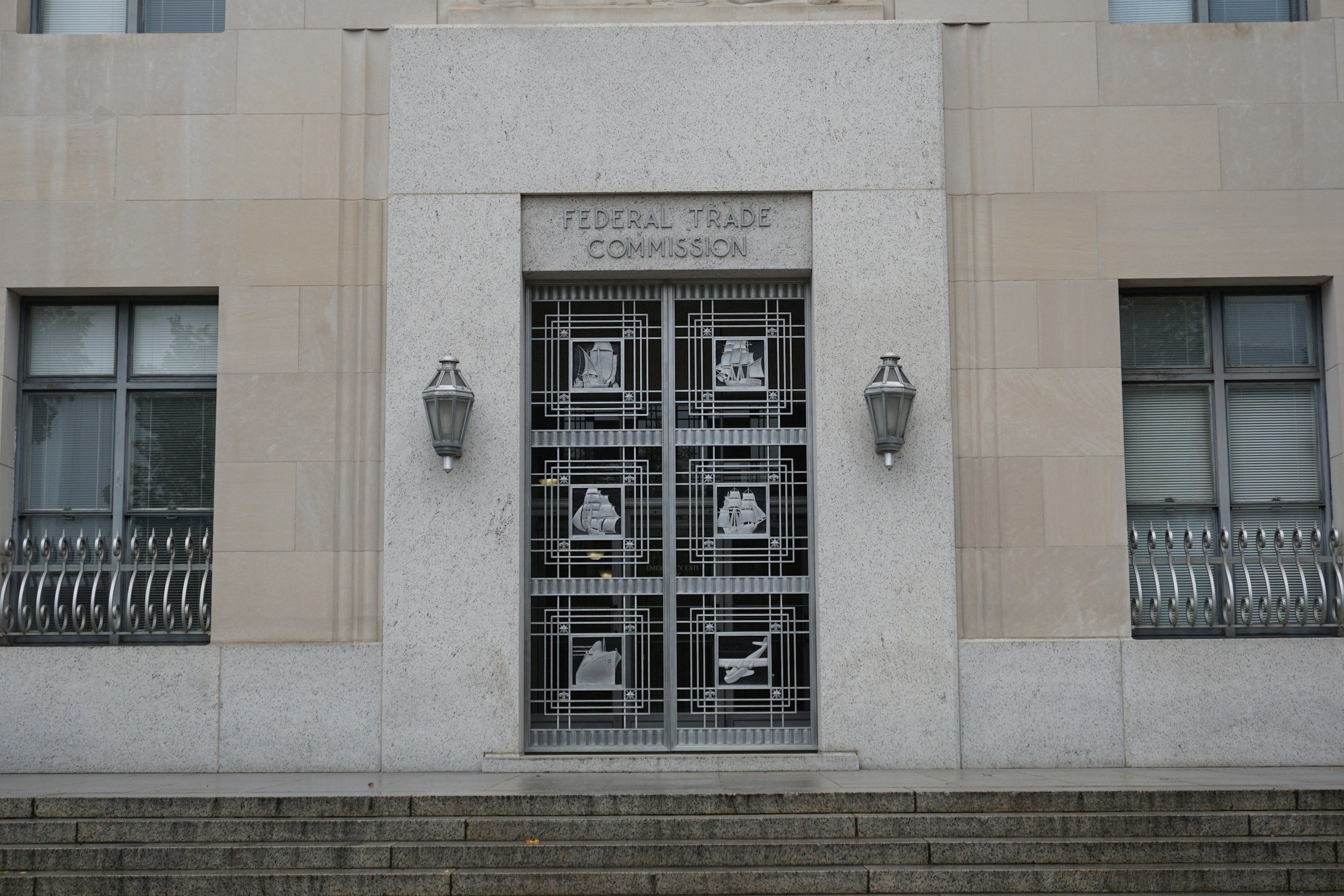
Trump v. Slaughter Re: Order Issued September 22, 2025
In yet another consequential and contentious use of the emergency docket, the Supreme Court granted President Donald Trump’s application to stay a lower court order that blocked him from immediately removing Rebecca Kelly Slaughter, the Democratically-appointed Federal Trade Commissioner, without cause, despite explicit statutory protection under 15 U.S.C Section 41. The 1914 act established the F.T.C. and made clear that the president could only fire an F.T.C. chair due to “inefficiency, neglect of duty, or malfeasance in office.” In other words, the president can only remove an F.T.C. chair for cause, something Trump did not do.
Louisiana v. Callais: What the Supreme Court’s Latest Voting Rights Debate Really Means
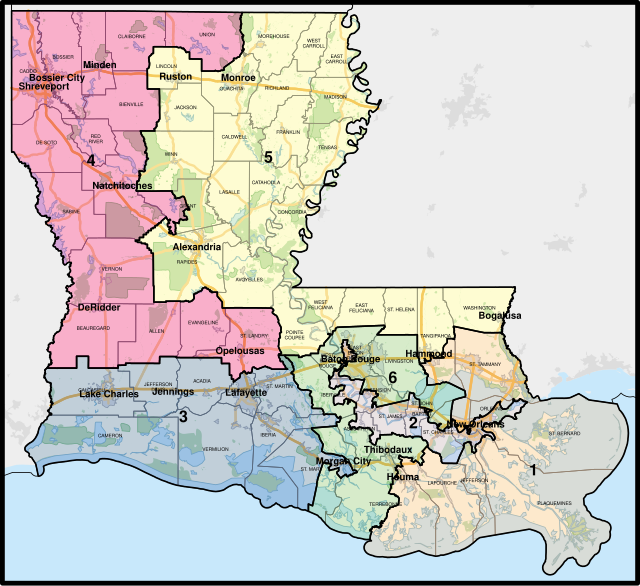
The Supreme Court’s 2025 oral arguments in Louisiana v. Callais have ignited a national debate over the future of Section 2 of the Voting Rights Act (VRA), the cornerstone of federal protections against racial vote dilution. The case stems from Louisiana’s creation of a second majority-Black congressional district following a lower court’s ruling that the prior map violated Section 2—a move later challenged as unconstitutional racial gerrymandering under the Equal Protection Clause. During oral arguments, the justices wrestled with whether Section 2’s “results test,” rooted in the 1982 VRA amendments and Thornburg v. Gingles (1986), impermissibly compels race-based redistricting or simply permits it as a remedy for proven vote dilution. Discussion centered on the Gingles framework itself, as several justices considered whether its application inadvertently forces states to prioritize race over traditional districting criteria. The Court’s questions suggested less interest in overturning Section 2 outright than in recalibrating its implementation to ensure compliance with constitutional limits on racial classifications. Ultimately, Callais may mark a pivotal moment in defining how states balance race-neutral districting principles with the VRA’s mandate to protect minority voting strength—potentially signaling the emergence of a refined “Gingles 2.0” standard that preserves Section 2’s protections while constraining the use of race in redistricting.


A 60-Year Grievance: Exxon Takes on Sovereign Immunity; Exxon Mobil Corp. v. Corporación Cimex
This paper explores how Exxon Mobil Corp. v. Corporación Cimex, S.A. could redefine the boundaries of sovereign immunity and turn U.S. courts into arenas for foreign policy battles. Born from Cuba’s 1960 nationalization of American oil refineries and revived by President Trump’s 2019 activation of the Helms–Burton Act, the case asks whether that Act overrides the Foreign Sovereign Immunities Act (FSIA)—or whether Exxon must still satisfy one of FSIA’s narrow exceptions. Beneath the legal question lies a geopolitical one: should private corporations act as proxy enforcers of U.S. sanctions against foreign governments? Drawing on precedents like Republic of Austria v. Altmann (2004) and Rubin v. Iran (2018), this paper argues that Congress never clearly authorized such an abrogation of immunity. If the Court sides with Exxon, it risks weaponizing U.S. courts as instruments of diplomacy, blurring the line between justice and geopolitics in an increasingly volatile world.
Trump v. Cook and the Future of the Federal Reserve’s Independence
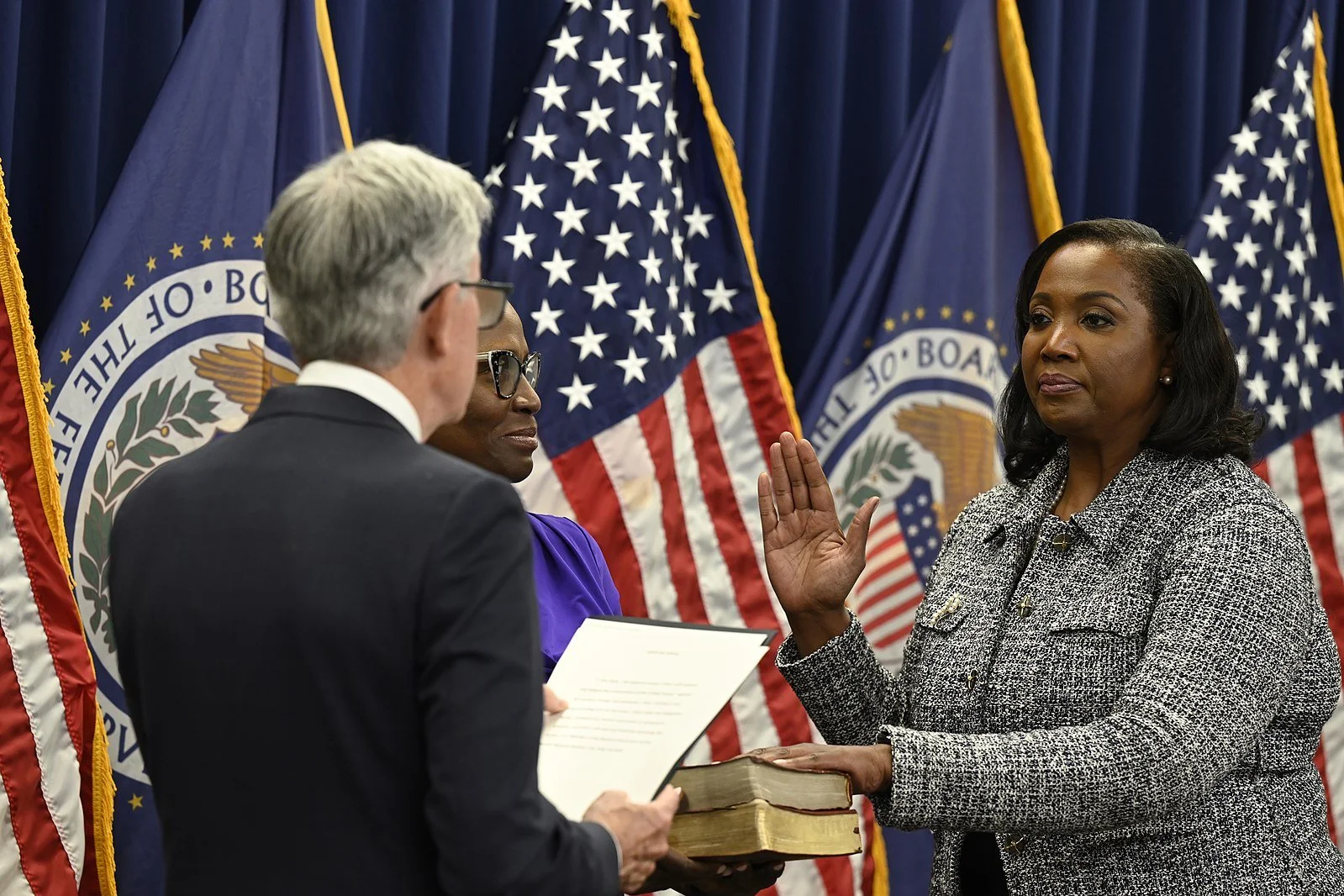
In what will either clarify or redefine the boundaries of presidential power, the Supreme Court has granted certiorari and scheduled oral arguments in Trump v. Cook, a case which asks whether President Donald Trump has the authority to fire Lisa Cook, a sitting member of the Federal Reserve Board of Governors (Fed).
Trump v. Orr Re: October 7, 2025
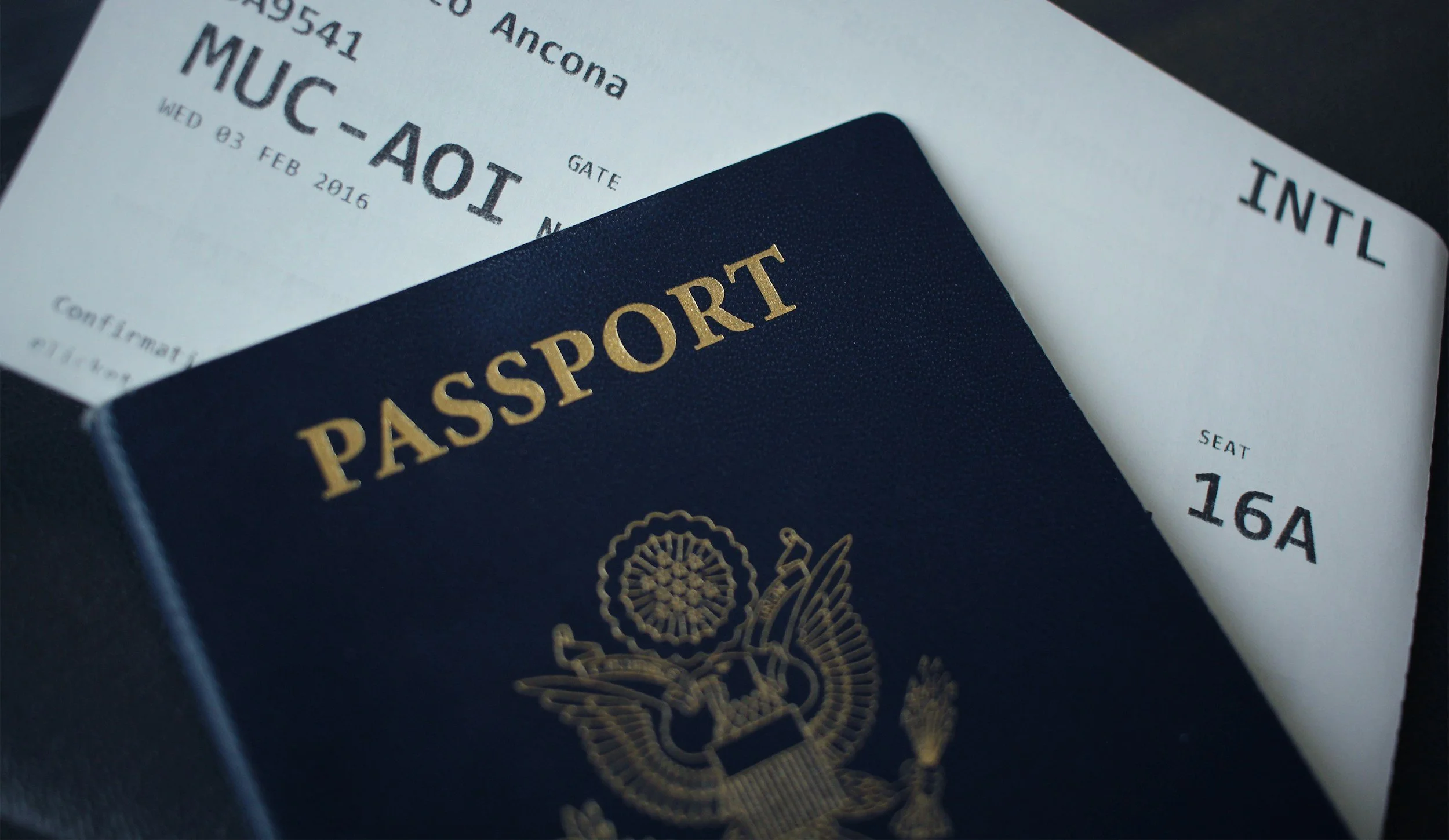
On the first day of his second term, President Trump issued Executive Order 14168, ordering every federal agency to strip self-attested gender identity from official records and to align markers with birth-assigned sex. Within 48 hours, the State Department froze adjudication of passport applications from transgender, intersex, and nonbinary Americans; some passports were returned with sex markers reset, displacing the prior self-designation regime (including the “X” option).
Bessent v Dellinger Re: Order Issued February 21, 2025
In what could have been the Supreme Court’s first meaningful engagement with a Trump-related appeal, Bessent v. Dellinger instead offered little judicial clarity, as the justices sidestepped substantive questions by holding the government’s application in abeyance, leaving broader legal issues unresolved. Hampton Dellinger was confirmed by the Senate to serve as the Special Counsel for the Office of Special Counsel on February 27, 2024, following a nomination from then-President Joe Biden. The Office of Special Counsel’s primary function is to protect governmental whistleblowers and safeguard against political corruption. On February 7, 2025, President Trump announced that he had fired Dellinger. Trump’s removal of Dellinger follows a familiar pattern of politically charged firings of government watchdogs, often without clear cause, undermining the independence of officials tasked with oversight. Dellinger sued the administration arguing that his firing violated 5 U.S.C § 1211(b), which states that the Special Counsel shall serve a 5 year term, and can be removed by the President “only for inefficiency, neglect of duty, or malfeasance in office.” District Judge Amy Berman Jackson issued a temporary restraining order (TRO), which restrained President Trump from firing Dellinger, effectively reinstating Dellinger as Special Counsel for the duration of the TRO (14 days). The Department of Justice immediately appealed on the Supreme Court’s emergency docket.
Free Speech Coalition v. Paxton: The Complicated Role of Technology in the Law
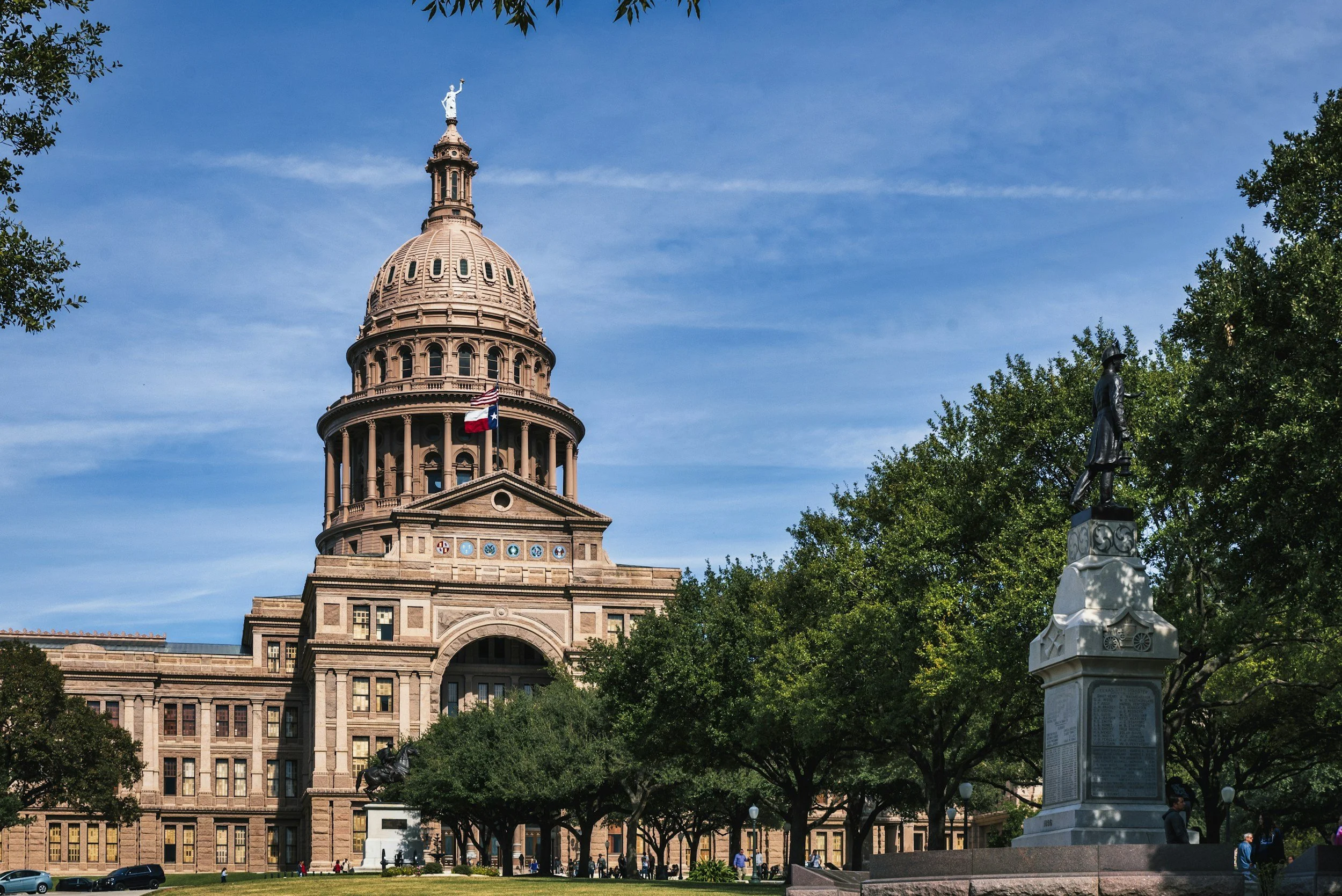
On June 12, 2023, the Texas legislature passed H.B. 1181, a law that would require any website whose content contains more than one-third sexual material harmful to minors to incorporate age verification methods. Before taking effect, plaintiffs sued, claiming that H.B. 1181 violated their First Amendment right to free speech. The district court ruled in favor of the plaintiffs, ruling that the age-verification requirement failed strict scrutiny, and launched an injunction. On appeal, the Fifth Circuit Court of Appeals ruled in favor of Texas, ruling that the age verification requirement only called for a rational basis review, and they vacated the district court’s injunction. The case was then appealed to the Supreme Court, which granted certiorari on July 2, 2024. The question before the court is whether H.B. 1181’s age verification requirement is subject to a rational basis review or strict scrutiny.
Trump v. United States: Is the Outrage Warranted?
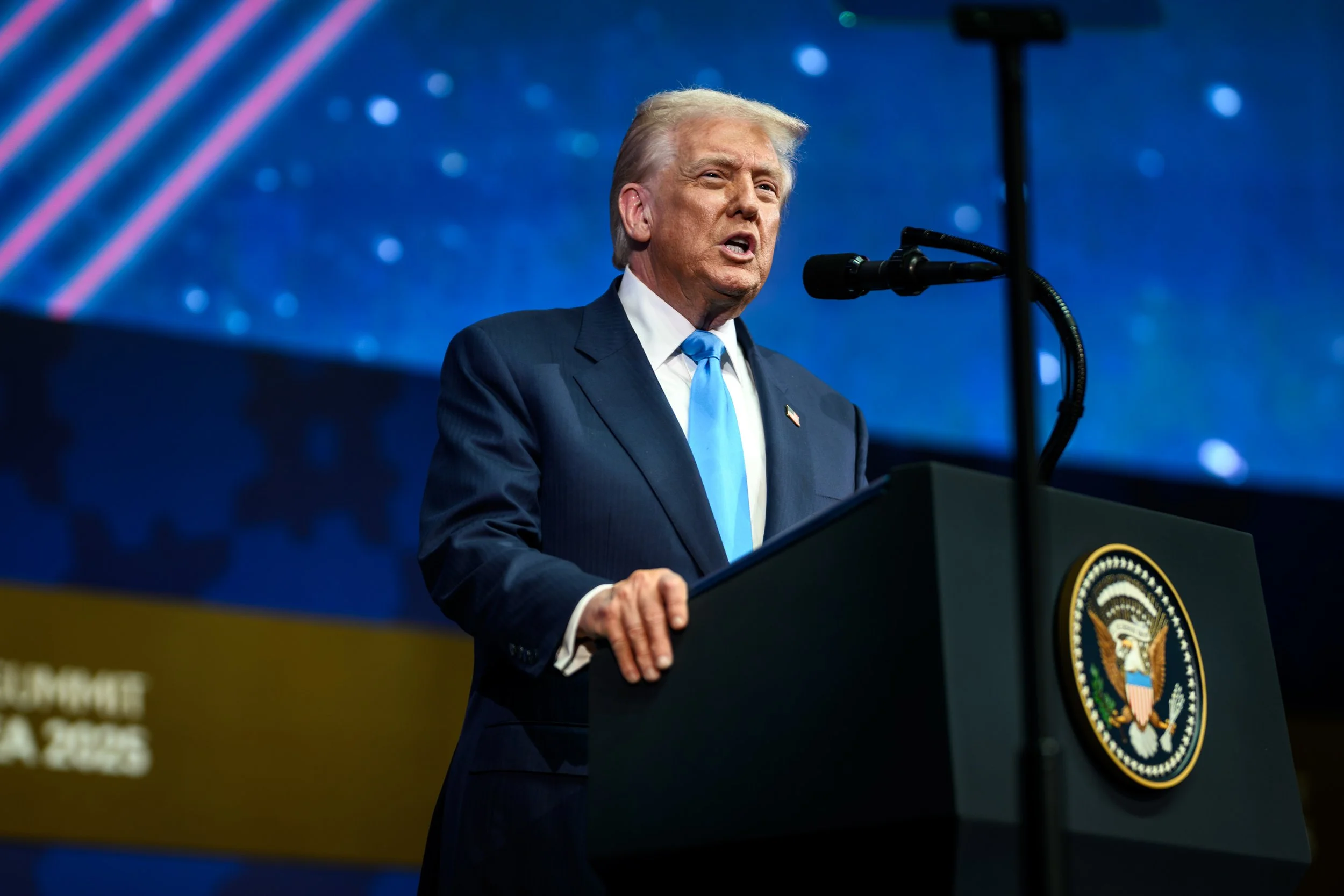
On July 1, 2024, the Court issued a highly controversial opinion on one of its most anticipated cases in the docket: Trump v. United States. The ruling, which significantly broadened the scope of presidential immunity, has sparked widespread public backlash, with many arguing that it undermines the principle of executive accountability. While these concerns are well-founded, they overlook the decision’s most flagrant flaw: its lack of constitutional grounding.
Andrew v. White
On November 20, 2001, Rob Andrew was shot and murdered. His estranged wife, Brenda Andrew, and her new partner, James Pavatt, were quickly framed as suspects in the shooting. Though Pavatt ultimately confessed to the shooting, he denied that Brenda Andrew was involved. However, the State still charged Andrew with capital murder; at the trial, the prosecution drew from extensive evidence that depicted Andrew as sexually provocative and morally depraved. Andrew’s sex life became a central issue in the trial, with prosecutors arguing that her sexual history made her a “bad wife, bad mother, and a bad woman.” Andrew was convicted of murdering her husband and sentenced to death.

On Facebook, Inc. v. Amalgamated Bank
In December 2015, The Guardian revealed that Cambridge Analytica had harvested data from 30 million Facebook users through a personality quiz created by employee Aleksandr Kogan. This data was used to create "psychographic profiles" of Facebook users initially sold to Ted Cruz's presidential campaign and later used by Donald Trump's presidential campaign. Though Cambridge Analytica agreed to delete this data in January 2016, reporters discovered in October that the firm continued using it despite its commitments. The breach remained largely contained until March 2018, when public revelations about Cambridge Analytica's continued data misuse caused Facebook's stock to plummet, harming investors alongside the users whose data was compromised.

EMD Sales, Inc. v. Carrera: Preserving the Integrity of the FLSA
The Fair Labor Standards Act (FLSA) was enacted in 1938 under President Franklin D. Roosevelt as part of the New Deal to protect workers from exploitative labor practices. It established a federal minimum wage, required overtime pay for employees working more than 40 hours per week, and imposed child labor restrictions. Over time, the law has been amended to expand protections and adjust wage standards. However, the FLSA also includes several exemptions, meaning certain workers are not entitled to overtime pay. Among them are bona fide executives, agricultural workers, and outside salesmen—employees who primarily work away from their employer’s place of business. The recent Supreme Court ruling in EMD Sales, Inc. v. Carrera (2025) reaffirms this important exemption and ensures that the legal standard for classification remains consistent and reasonable.