Revisiting Presidential Tariff Powers: From Yoshida to Learning Resources v. Trump
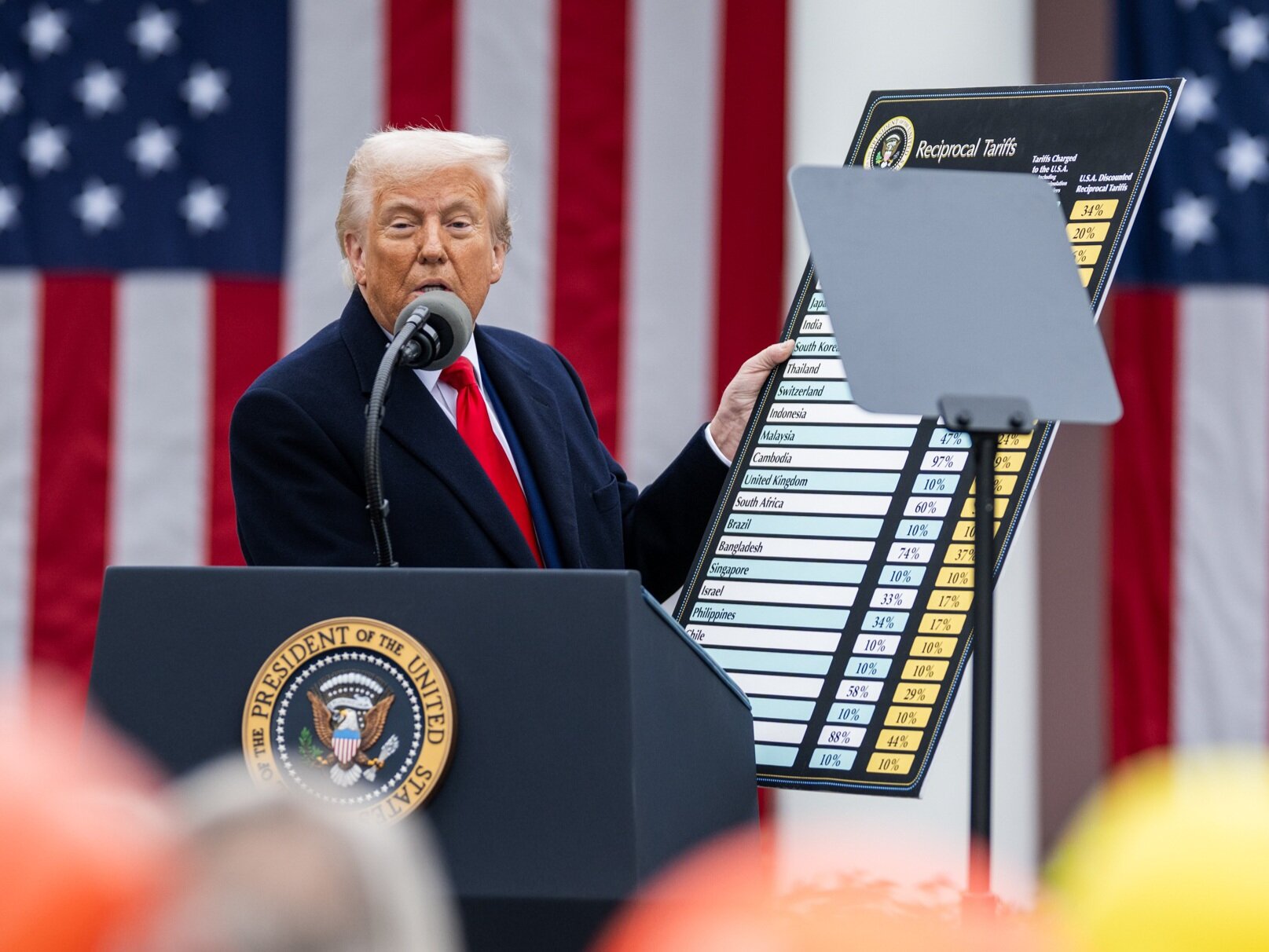
On November 2nd, 2025, President Donald Trump expressed on NBC’s 60 Minutes that “tariffs are incredible because they really give us great national security and great wealth.” The national security part is perhaps arguable, but the family-owned Learning Resources Ltd., as well as countless other American businesses, did not experience great wealth—quite the contrary. After Trump imposed his “Liberation Day” tariffs in April 2025, which involved a “baseline” tariff of 10% on almost all imports into the U.S, over half (57%) of U.S. companies surveyed by KPMG reported declining gross margins as a direct result of these tariffs. Small and mid-sized businesses were hit especially hard because, unlike large firms with abundant inventories, they are more vulnerable to cost shocks and supply chain disruptions. With such daunting economic consequences, how did Trump justify his policies? He imposed his tariffs through the International Emergency Economic Powers Act (IEEPA) of 1977, which grants President authority during times of emergency. In this specific instance, the two emergencies are the U.S. trade deficit and the inflow of fentanyl and opioids, which he called “country-killing emergencies.” However, it is uncertain whether Trump’s tariffs fit the conditions of IEEPA as the recent Supreme Court oral arguments demonstrate.
Trump v. Slaughter Re: Order Issued September 22, 2025
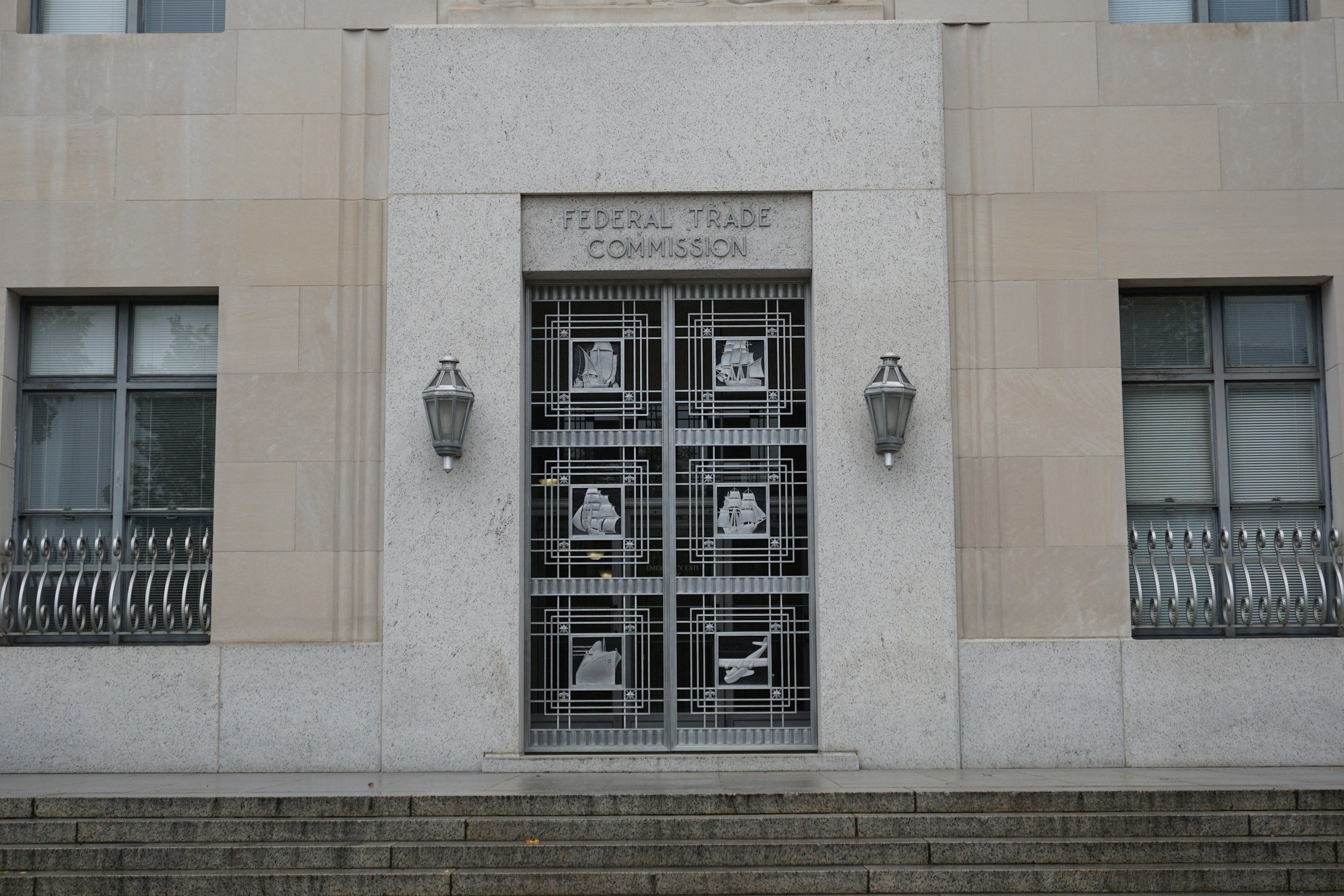
In yet another consequential and contentious use of the emergency docket, the Supreme Court granted President Donald Trump’s application to stay a lower court order that blocked him from immediately removing Rebecca Kelly Slaughter, the Democratically-appointed Federal Trade Commissioner, without cause, despite explicit statutory protection under 15 U.S.C Section 41. The 1914 act established the F.T.C. and made clear that the president could only fire an F.T.C. chair due to “inefficiency, neglect of duty, or malfeasance in office.” In other words, the president can only remove an F.T.C. chair for cause, something Trump did not do.
Trump v. Cook and the Future of the Federal Reserve’s Independence
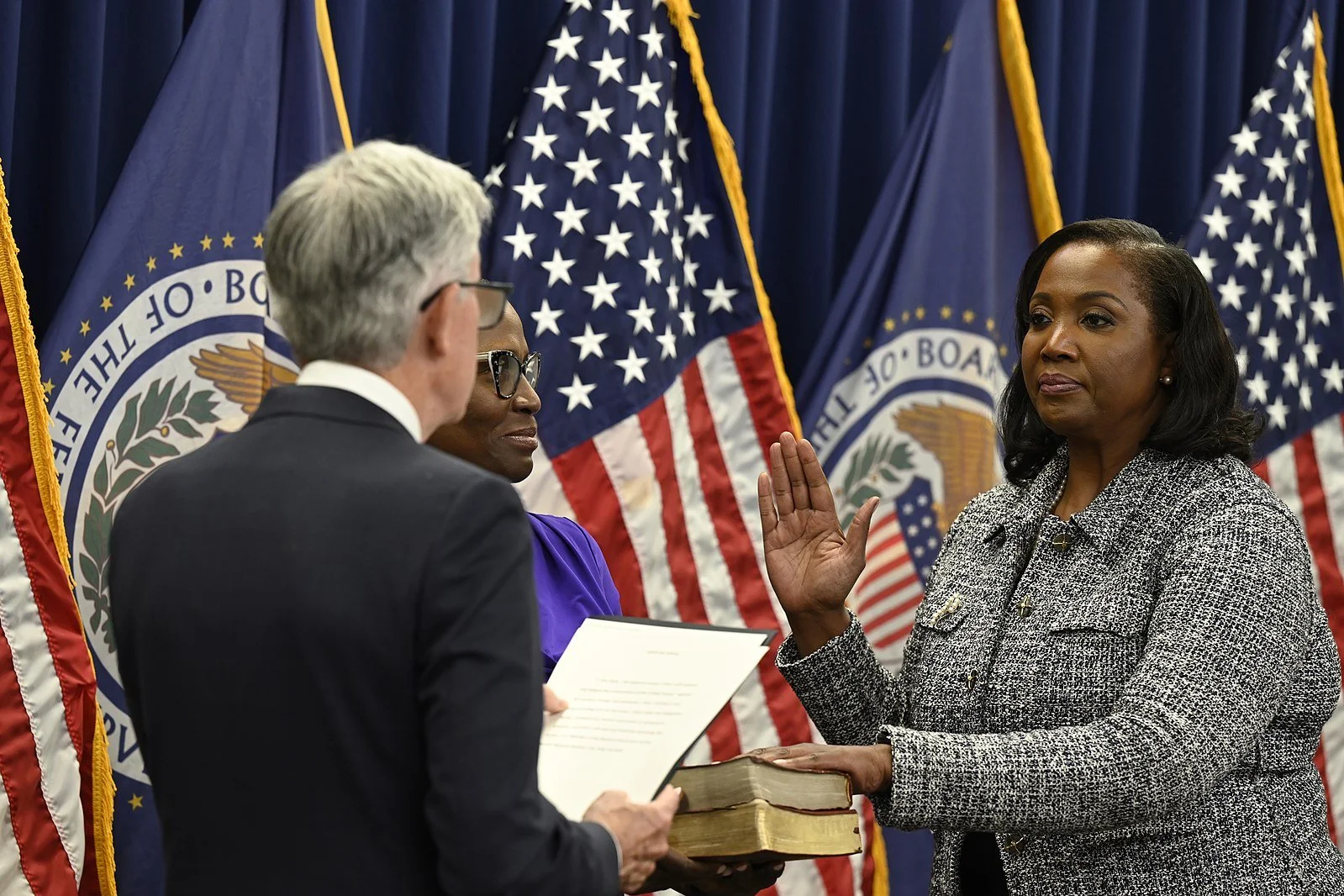
In what will either clarify or redefine the boundaries of presidential power, the Supreme Court has granted certiorari and scheduled oral arguments in Trump v. Cook, a case which asks whether President Donald Trump has the authority to fire Lisa Cook, a sitting member of the Federal Reserve Board of Governors (Fed).
Bessent v Dellinger Re: Order Issued February 21, 2025
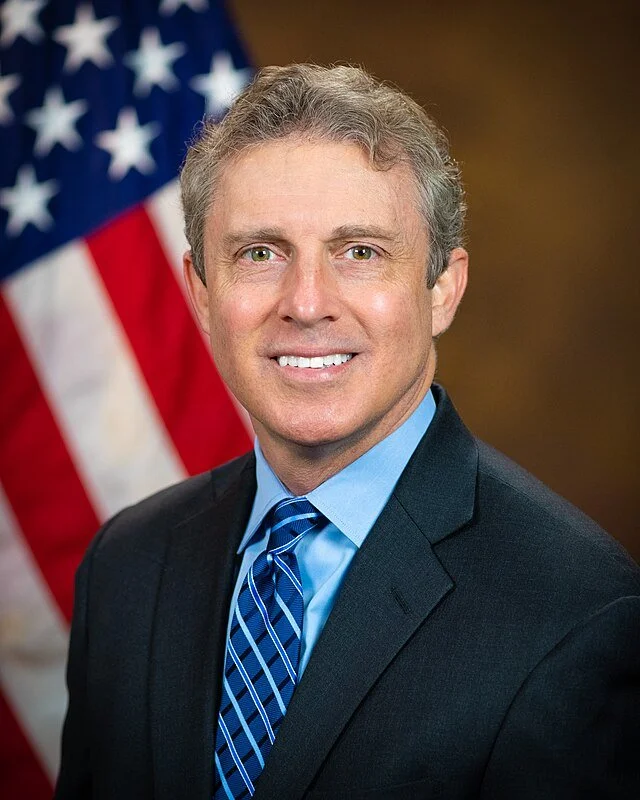
In what could have been the Supreme Court’s first meaningful engagement with a Trump-related appeal, Bessent v. Dellinger instead offered little judicial clarity, as the justices sidestepped substantive questions by holding the government’s application in abeyance, leaving broader legal issues unresolved. Hampton Dellinger was confirmed by the Senate to serve as the Special Counsel for the Office of Special Counsel on February 27, 2024, following a nomination from then-President Joe Biden. The Office of Special Counsel’s primary function is to protect governmental whistleblowers and safeguard against political corruption. On February 7, 2025, President Trump announced that he had fired Dellinger. Trump’s removal of Dellinger follows a familiar pattern of politically charged firings of government watchdogs, often without clear cause, undermining the independence of officials tasked with oversight. Dellinger sued the administration arguing that his firing violated 5 U.S.C § 1211(b), which states that the Special Counsel shall serve a 5 year term, and can be removed by the President “only for inefficiency, neglect of duty, or malfeasance in office.” District Judge Amy Berman Jackson issued a temporary restraining order (TRO), which restrained President Trump from firing Dellinger, effectively reinstating Dellinger as Special Counsel for the duration of the TRO (14 days). The Department of Justice immediately appealed on the Supreme Court’s emergency docket.