Law in the News
The HULR Blog

As States Legalize Marijuana, What’s Next?
With no nationwide legislation regulating marijuana, lots of recent developments have taken several different angles. For states like New Jersey, the inception of legal marijuana sales has illustrated the need for important safeguards, particularly for marginalized communities and the youth. For others, like South Dakota, the push for legalization has failed on previous occasions, requiring a further push and learning from past mistakes. Some calls for the expansion of marijuana use are more contentious, especially for groups like police officers, a disagreement that is recent, but not universal. Groups like the American Medical Association oppose marijuana legalization, citing its limited benefit, while industry members draw attention to its potential for job creation and revenue. As discussions at the state and national level rage on, it remains paramount to not leave historically mistreated groups, like Native Americans, behind. Conversations about marijuana legislation are ongoing and not perfect, but identifying issues from the onset and actively working to combat them will ensure no group has to suffer mistreatment.

Michelle Wu: The First Climate Mayor
This Blog discusses the present and future plans that Boston Mayor Michelle Wu has planned. She has made mayoral history by becoming the first woman and the first Asian American mayor to be elected. She is also the first mayor to be elected on a Green New Deal Platform. Her plan consists of divesting from fossil fuel companies –which has been successful– electrifying Boston’s vehicle fleet, and investing in housing in Boston, specifically focusing on affordable housing.
The Supreme Court Is Confident It Does Not Need the Will of the People
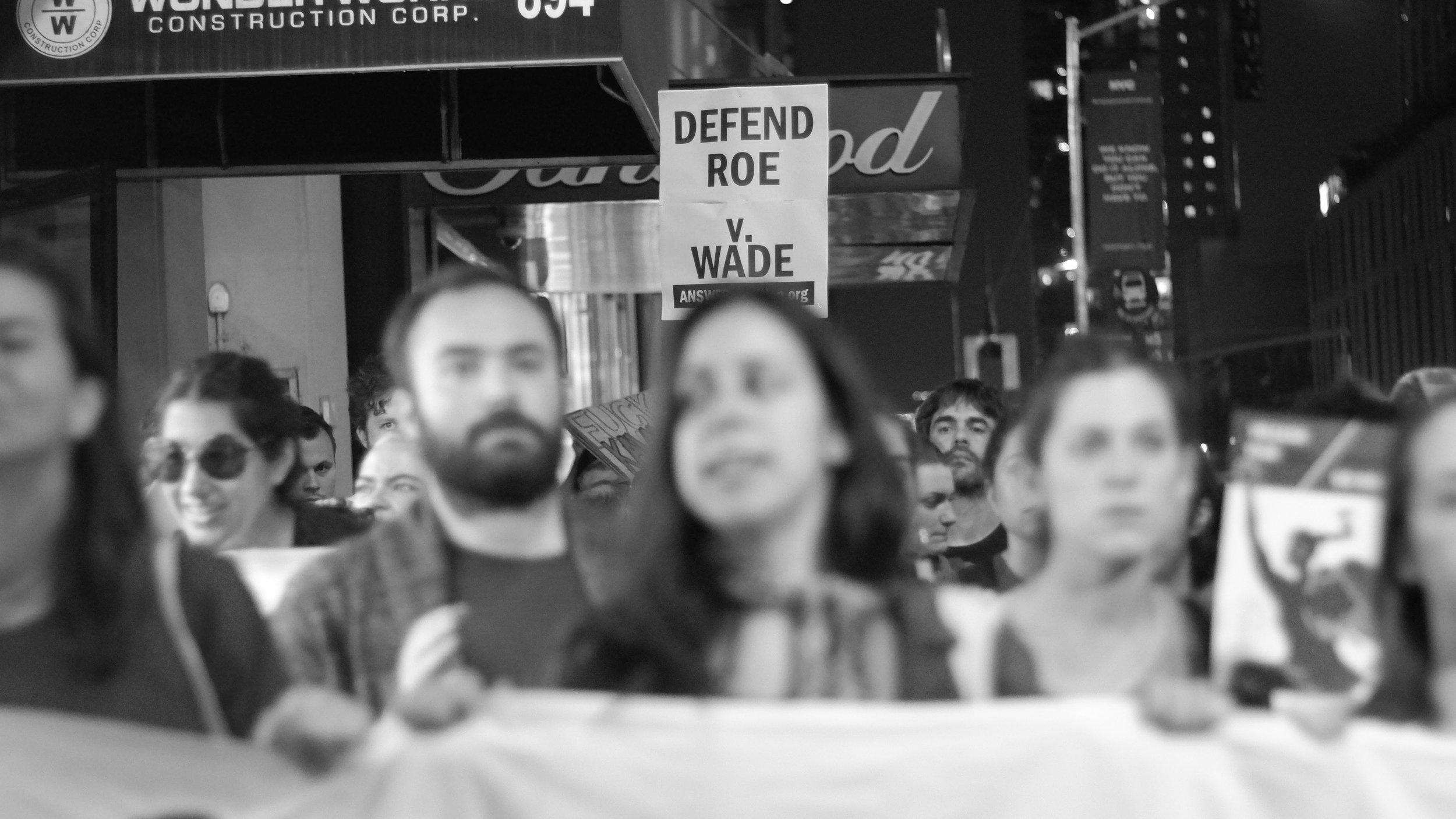
According to the leaked draft opinion of Dobbs v. Jackson Women’s Health Organization, Justice Samuel Alito’s second argument against Roe v. Wade is that the right to an abortion is not “deeply rooted in the Nation’s history and traditions.” Yet there is incredibly flawed logic in this assessment. Notwithstanding the conservative Supreme Court justices’ fairly public views on abortion, which are in the minority of the United States, the arguments that this draft bases itself on do not align with a typical understanding of the Constitution or historical abortion practices. Instead, the draft ignores settled constitutional precedent and general political and social trends in views on abortion to argue for an anachronistic model of interpretation. This article will discuss the second issue.

The Supreme Court Is Confident It Does Not Need Precedent
According to the leaked draft opinion of Dobbs v. Jackson Women’s Health Organization, Justice Samuel Alito’s first argument against the Court’s holding in Roe v. Wade (1973) is that the Constitution “makes no reference to abortion, and no such right is implicitly protected by any constitutional provision.” Second, the right to an abortion is not “deeply rooted in the Nation’s history and traditions.” Yet there is incredibly flawed logic in both of these conclusions. Notwithstanding the conservative Supreme Court justices’ fairly public views on abortion — which are in the minority of the United States as a whole — the arguments from which this draft stems do not align with the mainstream judicial understanding of the Constitution. Instead, the draft ignores settled constitutional precedent and broader sociopolitical trends in views on abortion to argue for an anachronistic, originalist interpretation of abortion rights. This article will discuss the first of Alito’s two argumentative shortfalls: his ignoring of Court precedent.

Johnny Depp Proves Defamation Cases Have No True Winners
In 2018, iconic actor Johnny Depp was accused of spousal abuse by his now ex-wife Amber Heard in a Washinton Post op-ed. Now, four years later, Depp is suing Heard for defamation and claims that she, in fact, was the abuser in the relationship. Regardless of the outcome of the trial, however, once the stain of “abuser” is tied to a person, it is hard to erase that reputation, especially for an actor so iconic in the industry. However, much of Depp’s pervasiveness in the industry disappeared essentially overnight, and now he is fighting for his spot back, but will most likely be treated as an abuser his entire career. Depp and Heard’s situation exposes the often no-win nature of defamation cases, regardless of innocence or guilt.

Hostile Takeovers, Poison Pills, and Free Speech: Can Elon Musk Transform Twitter to the Global Platform for Free Speech?
From blocking ISIS hate speech to censoring the President of the United States, Twitter has had largely unchecked power in how it moderates free speech as one of the largest social media platforms in the globe. Well-known billionaire and Tesla CEO Elon Musk has been especially vocal on his issue with Twitter’s free speech violations infringing on democracy. Recently, he has decided to take matters into his own hands and has attempted a hostile takeover of Twitter in order to privatize the company and instill his absolutist free-speech ideals in order to make Twitter the global platform for free speech. His informal attempt has been met with resistance from the Twitter board creating a massive legal battle for control as well as leaving many wondering if the legal holes in his offer may be indicative of an ulterior motive behind his move.

Looking Forward: The “Don’t Say Gay” Bill
The introduction of the “Don’t Say Gay Bill,” signed into law by Florida governor Ron DeSantis to limit discussion of gender and sexual orientation in elementary classrooms, has ramifications for a variety of actors — businesses, students, and educators, to name a few — and may be indicative of a worrying trend in recent legislation. Its creation has sparked discourse over the role of corporations’ response after the Walt Disney company saw mixed reactions to its initial silence and later statements of support. And while the impact on children and educators is immediately unclear, the likelihood of mental health concerns and decreased inclusivity paves the way for future harm. Much of the uncertainty stems from vagueness in the bill’s language, which may conflict with precedents about the accessibility of legal statutes. While it seems likely some states will adopt a similar bill, the increased adoption of anti-LGBTQIA+ legislation emphasizes a crucial need for critical consideration and reform.

The Slap Heard Across the World: The Legal Repercussions Will Smith Can Face
This article concerns the slap that millions of people watched transpire on TV during the 2022 Academy of Motion Picture Arts and Sciences Awards. I discuss the events that occurred and then explore whether the violence committed against Chris Rock by Will Smith should warrant a criminal charge. According to California law, I find that Will Smith has committed Battery, and what he did constitutes a crime punishable by a maximum sentence of 6 months in jail and a fine up to $2000. But given his celebrity status, Smith is unlikely to face prosecution.

The Constitutional Consequences of a Death Row Sentence
The First Amendment of the Constitution states that “Congress shall make no law respecting an establishment of religion, or prohibiting the free exercise thereof.” What, however, is constituted as “the free exercise thereof?” In particular, what happens when religious expression contrasts with the laws set for inmates on death row? The Supreme Court is set to come out with an official ruling on the religious rights and rituals allowed for inmates receiving the death penalty in June 2022. I can only hope that the court chooses to respect the human dignity and religious comfort that all people deserve, if they so choose, even when on death row. Otherwise, the Court risks impeding on religious rights. Moreover, in doing so, the Court is selectively choosing who deserves the right to express religion.

The Rise of ESG: a Legal Perspective
The emerging incorporation of ESG (Environmental, Social, and Governance) within companies has a bi-directional relationship with corporate law. Federal law may dictate how companies disclose their ESG metrics. Simultaneously, as ESG rises, federal law will undoubtedly be affected by an accelerating trend toward ESG dominance.

Britney Is Free but Thousands of Others are Not: How the Britney Spears Case Shines a Light on the Abuse of Conservatorships
Britney Spears’s recent battle for control over her life and finances has shed light on conservatorships and their widespread abuse in the U.S. This article details the legal mechanism behind guardianships and how some of them are abused. The increased attention on guardianships caused by the “Free Britney” movement has also inspired legislation designed to reform the conservatorship system.

The Supreme Court’s Invisible Power in U.S.-China Relations
Thousands of American companies have sued their government since it escalated its tariffs on Chinese imports in 2018 and 2019. This article shows why these lawsuits will ultimately be appealed to the Supreme Court by the U.S. Court of International Trade. Although its power in the geopolitical conflict may be hidden, the Supreme Court will decide the future of the U.S. China trade war. Its consequential ruling may force the Biden administration to amend its policy, setting the precedent for the executive branch's trade authority.



A Silent Persistence: The Ku Klux Klan’s Lingering Presence in America Today
The U.S. government's response to the Klu Klux Klan's abhorrent violence has been limited, in part, due to the government's federalized structure, allowing the KKK to resurge in waves throughout history. In my piece, I explain the court system's undeniable influence over Klan activity, arguing the courts must adopt a "living Constitution" style of interpretation so that the First Amendment no longer protects the organization's members. Finally, the KKK's lingering presence would be squashed, and it would no longer be able to get away with murder.

The First Amendment and Its Destructive Protection of Lobbying
Costlier drugs have made it more difficult for the ill and low-income to receive quality healthcare, in addition to making it more expensive for taxpayers who have to finance Medicare more. Despite this, lobbying laws and protections are at the forefront of enabling and, in many ways, encouraging such behavior, often in the spirit of free speech. While free speech is a basic tenet of American democracy, strict adherence to it has allowed rampant, corrupt, corporate lobbying that has undermined American democracy by overpowering public interest.

Packing the Court or Taking it Back?
Lawmakers and scholars on both sides of the aisle have publicly expressed their opinions on President Biden’s April 6, 2021 creation of the Presidential Commission on the Supreme Court of the United States to examine the merits of reforming the nation’s highest court. Reactions between and within parties have been mixed: some Democrats view reforms as a means of “taking back the court” from “conservative” Justices, while a few Republicans have accused progressives of trying to “pack the court.” This is the first attempt to reform the Supreme Court in nearly a century, leaving many scholars and lawmakers skeptical of the President’s true motivation. On April 15, a group of Democrats introduced legislation to add four justices to the Supreme Court, signaling progressives’ desire to move forward with reform. However, the proposed law and new commission are unlikely to result in any real change.
The Shadow of Voter Suppression in Contemporary Society
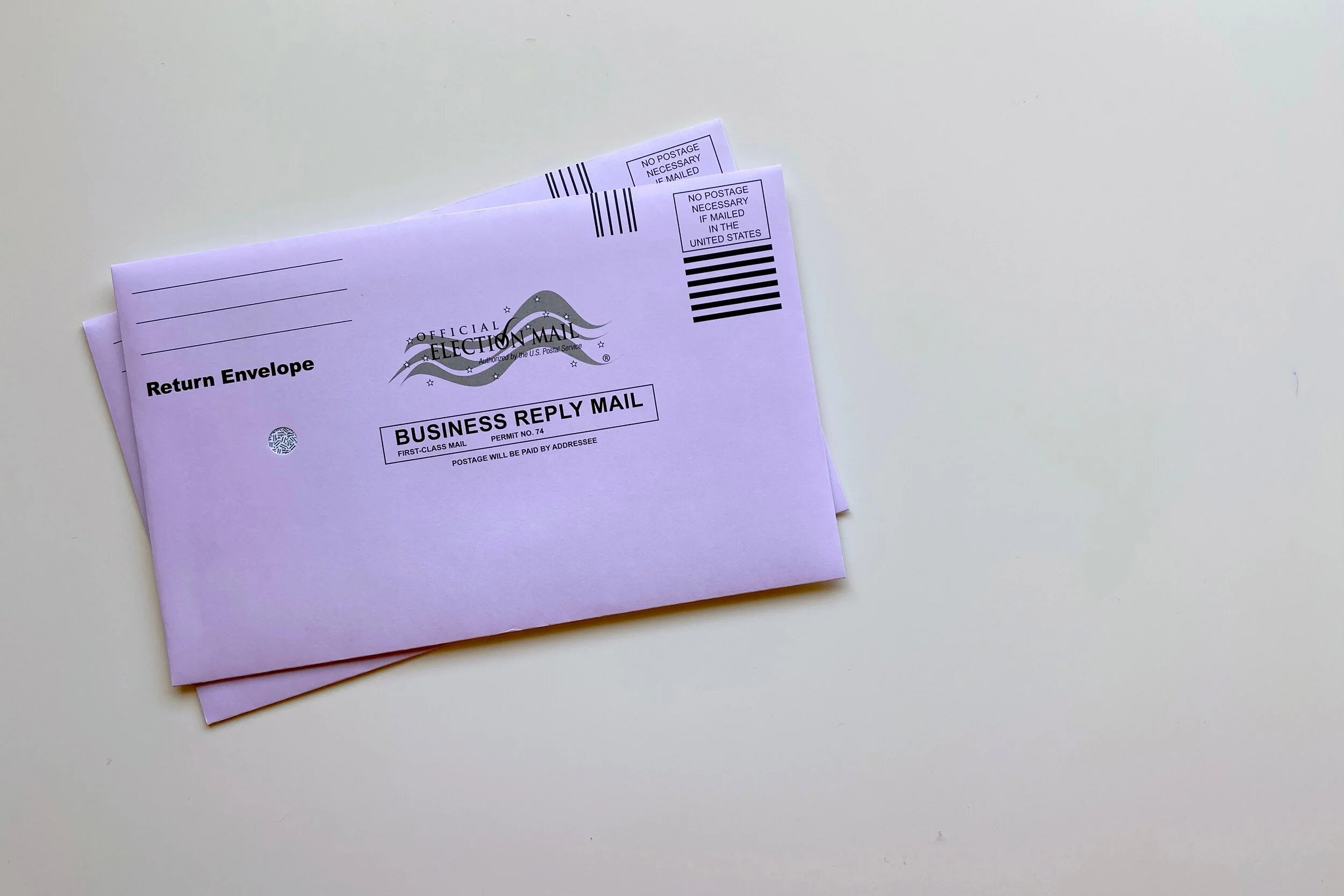
On March 25, 2021, Georgia Republicans passed the controversial bill SB 202, which intends to revise state election law, creating a resurgence of tension between Republicans and Democrats following the 2020 Presidential election. The full text of Georgia’s voting law indicates that the voting bill was passed in reaction to a lack of confidence in Georgia’s election systems due to charges of voter suppression, alleged voter fraud, and controversy over signature-matching requirements. Democrats and civil-rights groups deemed the voting bill a measure to restrict voting in future elections, but Republicans insist the bill will improve voter processes and confidence in Georgia.

The Future of “Stand Your Ground” Laws
This piece serves as a reflection and push for progress as Brianna explores the rise in media coverage of the Black Lives Matter Movement and the past year she has spent as a research assistant for a project on “Stand Your Ground” Laws. With a focus on the origins of SYG in Florida, Brianna hopes to uncover the history behind the controversial law and look to efforts to combat its strong impact on the undue deaths of Black Americans.